
Common sports injuries
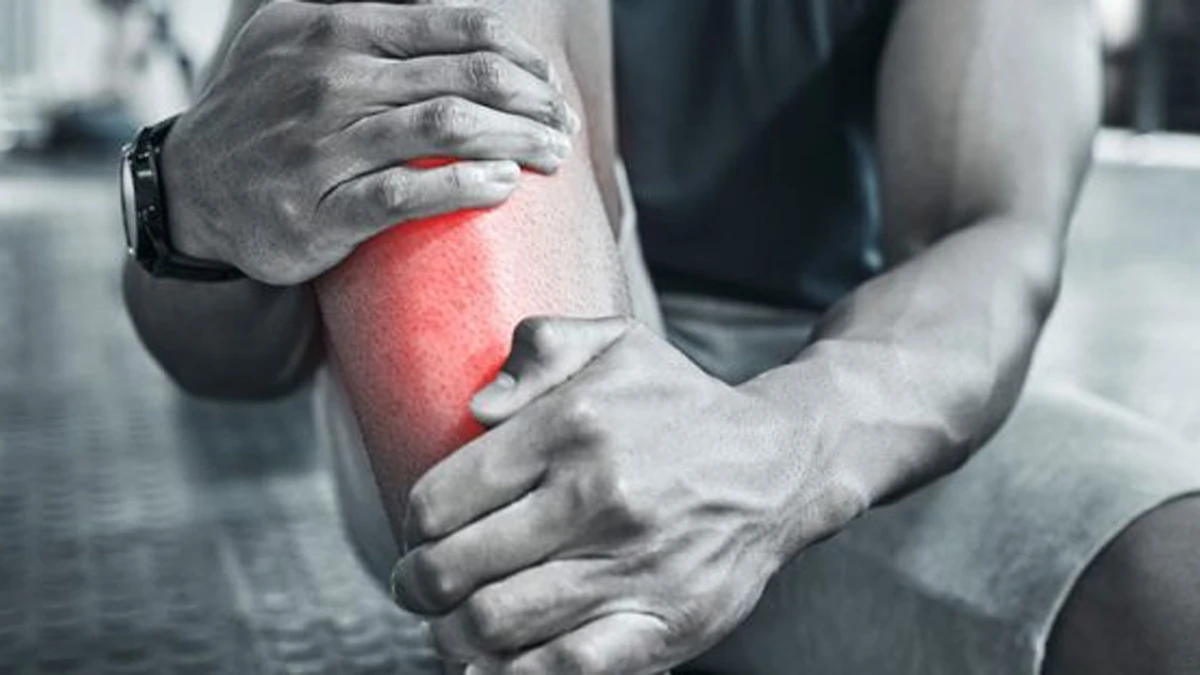
Sport-related injuries appear in two forms: sudden injuries arising from a single event, and overuse problems that build up over time.
- Ligament injuries: The knee ligaments, above all the anterior cruciate ligament, and the ankle ligaments.
- Meniscal tears: Through a sudden twisting movement while the knee is bent; see knee surgery.
- Tendon problems: Strain or tearing in the Achilles tendon, the patellar tendon and the shoulder tendons.
- Muscle tears: Particularly in the hamstring and calf muscles during sudden acceleration.
- Shoulder instability: Dislocation and a tendency to recurrent dislocation in contact sports; see shoulder surgery.
Overuse problems begin insidiously; pain that in the early period is felt only after activity comes in time to appear during activity as well. If this transition is noticed early, the process is shorter.
Anterior cruciate ligament rupture
The anterior cruciate ligament prevents the shin bone from sliding forward and the knee from rotating excessively. It is frequently injured in sports involving sudden changes of direction, such as football, basketball and skiing.
At the moment of rupture most patients describe a snapping sound or sensation in the knee; swelling and a loss of confidence in the knee follow. The knee giving way when going down stairs or changing direction is a typical complaint.
Not every anterior cruciate ligament injury requires surgery. In reaching a decision, the person's age, their expectations regarding sport, any additional injuries in the knee and the instability they feel in daily life are assessed together. When reconstruction is required, a new ligament is formed in place of the ruptured one using a suitable graft.
What to do at the moment of injury
In an acute injury, the approach taken in the first few hours affects the course of what follows:
- Stop the activity. Continuing despite the pain can make the damage worse.
- Protect and rest the area. Avoid bearing weight on it.
- Apply cold. Intermittently, without direct contact with the skin.
- Limit the swelling. With a suitable bandage and by keeping the area above the level of the heart.
If there is an obvious deformity of the joint, an inability to bear weight, rapidly increasing swelling or a sensation of the joint giving way, assessment should not be delayed.
How is the return to sport planned?
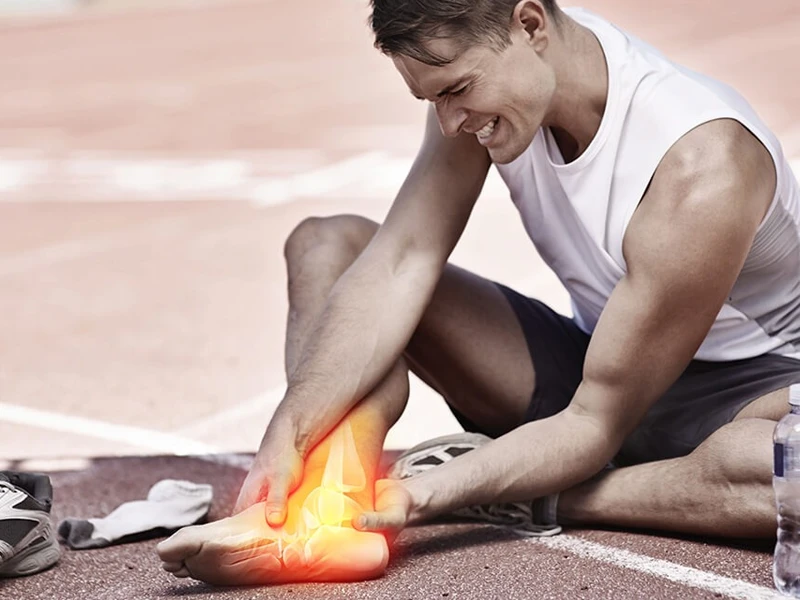
The return to sport is determined not by the calendar but by criteria. The decision is made according to the level the person has reached, not according to a date. The main criteria assessed:
- Pain and swelling being under control
- Range of motion having been regained
- Muscle strength having reached an adequate level compared with the opposite side
- Balance, jumping and change-of-direction tests being completed successfully
- The athlete feeling ready
An early return increases the likelihood of re-injuring the same area. For this reason the process is carried out together with the athlete and the rehabilitation team.
Examination and treatment process
-
History and physical examination
The mechanism of injury, any sound or sensation felt at the time, when the swelling began and the stability of the joint are assessed.
-
Imaging
The bony structure is examined with X-ray and, where necessary, the ligaments, meniscus and tendons with MRI.
-
Treatment plan
The degree of the injury and the expectations regarding sport are assessed together to determine a surgical or non-surgical route.
-
Rehabilitation and return
A graduated strengthening programme; permission to return is given once the return-to-sport criteria are met.
Frequently asked questions
Is surgery always necessary when the anterior cruciate ligament ruptures?
When can I return to sport?
I am an amateur athlete — am I treated differently from professionals?
When should I see a doctor after a sprain?
What should I do to avoid injuring the same area again?
Which department should I go to for sports injuries?
Treating physician
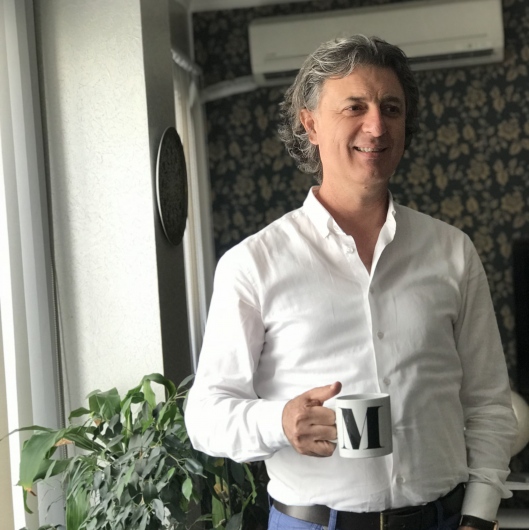
Prof. Dr. Melih Malkoç
Specialist in Orthopaedics and Traumatology. Graduate of Ege University Faculty of Medicine; completed his specialist training at Şişli Etfal Training and Research Hospital and received the title of associate professor in 2015.
Full biography →The information on this page is for general guidance only and does not replace a diagnosis or treatment recommendation. Diagnosis and treatment decisions are made by the physician on an individual basis following examination and imaging.